“How long until we see results?” is the first question almost every business owner asks before starting SEO, and it deserves an honest answer rather than a vague promise. Unlike paid ads, which can drive traffic within hours, SEO is a compounding, long-term investment that depends on your site’s current condition, your competition, and how consistently you invest in it. This guide lays out realistic SEO timelines month by month, the factors that speed results up or slow them down, and how to know if your SEO strategy is actually on track.
The Honest Answer: 4 to 12 Months for Meaningful Results
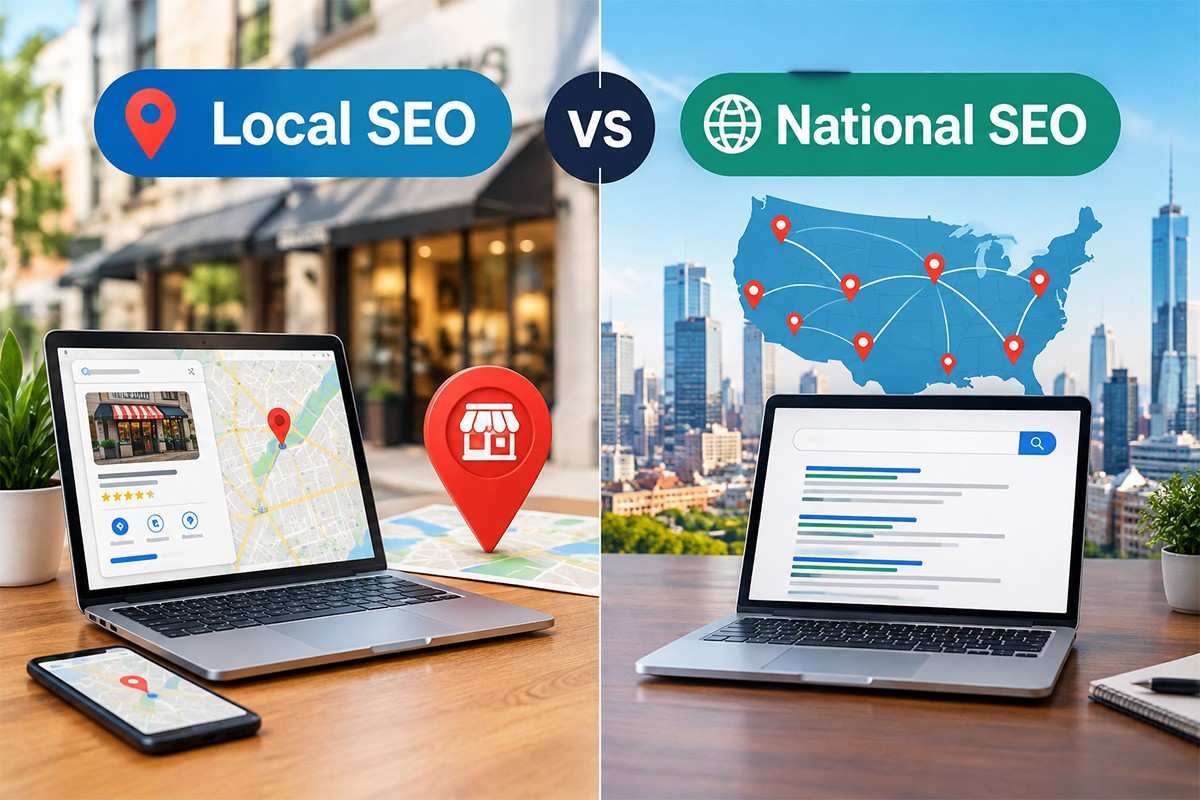
Most reputable sources, including Google’s own SEO Starter Guide, note that it can take several months for changes to be crawled, indexed, and reflected in rankings, and that there is no guarantee of a specific timeline. In practice, most businesses in competitive industries start seeing measurable movement in rankings and organic traffic between 4 and 6 months, with significant, durable results typically appearing between 6 and 12 months. Low-competition, local searches can move faster, sometimes within 8-12 weeks, while highly competitive national keywords can take 12 months or longer.
SEO Timeline: What to Expect Month by Month
- Month 1-2: Foundation and technical fixes. This phase covers a technical SEO audit, fixing crawl errors, improving site speed, and setting up proper on-page elements like title tags and meta descriptions. You typically will not see ranking movement yet, but this groundwork is what makes every later step effective.
- Month 3-4: Content and keyword targeting begins to show early signals. New optimized pages and blog content start getting indexed, and you may notice impressions rising in Google Search Console even before clicks increase meaningfully.
- Month 5-6: First real ranking movement. Target keywords typically begin appearing on page 2 or the bottom of page 1, and organic traffic starts trending upward, especially for less competitive, long-tail search terms.
- Month 7-9: Momentum builds. Backlinks accumulated from outreach and content start compounding, rankings for mid-competition keywords improve, and organic leads become a measurable part of overall business inquiries.
- Month 10-12+: Compounding, durable growth. Well-optimized sites typically reach their strongest rankings in this window, and traffic becomes far more resistant to algorithm updates because it is built on genuine authority rather than shortcuts.
What Actually Speeds Up or Slows Down SEO Results
Factors that speed results up
- A newer domain with little competition in a local or niche market
- A technically clean, fast-loading, mobile-friendly website
- Consistent publishing of original, in-depth content
- Existing domain authority from age or prior backlinks
Factors that slow results down
- Highly competitive, high-volume national keywords
- A brand-new domain with no existing authority
- Technical issues left unresolved, such as slow page speed or duplicate content
- Inconsistent effort — pausing content or link building after a few months
Why SEO Takes Longer Than Paid Ads (And Why That Is a Good Thing)
Google Ads can generate leads the same day a campaign launches, but that traffic stops the moment you stop paying. SEO works differently: it requires Google to trust your site, which takes time to earn through consistent signals like quality content, backlinks, and technical health. Once that trust is established, however, the traffic keeps coming without an ongoing per-click cost, which is why SEO consistently delivers a better long-term return on investment than paid channels alone, even though it takes longer to get moving.
How to Know If Your SEO Is Actually Working (Even Before Rankings Jump)
Rankings are a lagging indicator. Before they move, watch these earlier signals:
- Impressions in Google Search Console. Rising impressions mean Google is showing your pages more often, even if clicks have not caught up yet.
- Indexed pages increasing. New content and pages should steadily appear in Google’s index over the first few months.
- Average position improving, even outside page 1. Moving from position 45 to position 15 is real progress, even though it does not yet show up as organic traffic.
- Backlinks and referring domains growing. A steady increase here signals growing authority that will pay off in rankings later.
Getting Realistic, Consistent SEO Results
The businesses that see the strongest SEO results are the ones that commit to a consistent strategy for at least 6-12 months rather than judging performance after 6 weeks. Pairing ongoing content writing with technical maintenance and a well-designed, fast website gives SEO the strongest possible foundation to compound on. Many businesses choose to work with an experienced digital marketing company in Amritsar like Duggal Infotech to manage this process end-to-end, since consistent execution across technical SEO, content, and link building matters far more than any single tactic.
Frequently Asked Questions
How long does SEO take to show results?
Most businesses start seeing measurable ranking and traffic improvements between 4 and 6 months, with significant, durable results typically appearing between 6 and 12 months, depending on competition and the site’s starting condition.
Why does SEO take so long compared to paid ads?
SEO requires Google to build trust in a website through consistent signals like content quality, technical health, and backlinks, which takes time to establish, unlike paid ads which generate immediate but temporary traffic that stops once spending stops.
Can SEO show results faster than 4 months?
Yes, for low-competition local keywords or niche markets, some ranking improvements can appear within 8-12 weeks, though broader, more competitive results usually still take longer to fully develop.
What is the first sign that SEO is starting to work?
Rising impressions in Google Search Console are usually the earliest sign, often appearing before click-through traffic or rankings show noticeable improvement.
Does a new website take longer to rank than an established one?
Yes. A brand-new domain has no existing authority or trust signals, so it typically takes longer to rank than an established site with existing backlinks and content history.
How long should I commit to an SEO strategy before judging results?
Most SEO professionals recommend committing to a consistent strategy for at least 6-12 months before evaluating overall performance, since rankings and traffic build gradually rather than instantly.
Does stopping SEO after a few months waste the investment?
Yes, largely. SEO momentum built over several months of content and technical work can stall or decline if the effort stops before rankings and authority have fully compounded.
Is local SEO faster than national SEO?
Generally yes. Local searches usually have less competition than national, high-volume keywords, allowing local businesses to see ranking improvements more quickly than businesses targeting broad national terms.
What factors slow down SEO results the most?
High keyword competition, a brand-new domain with no authority, unresolved technical issues like slow page speed, and inconsistent content or link-building effort are the most common factors that delay SEO results.
Is SEO worth it if results take months to appear?
Yes. Although SEO takes longer to show results than paid advertising, it delivers compounding traffic without an ongoing per-click cost, typically producing a stronger long-term return on investment once momentum builds.