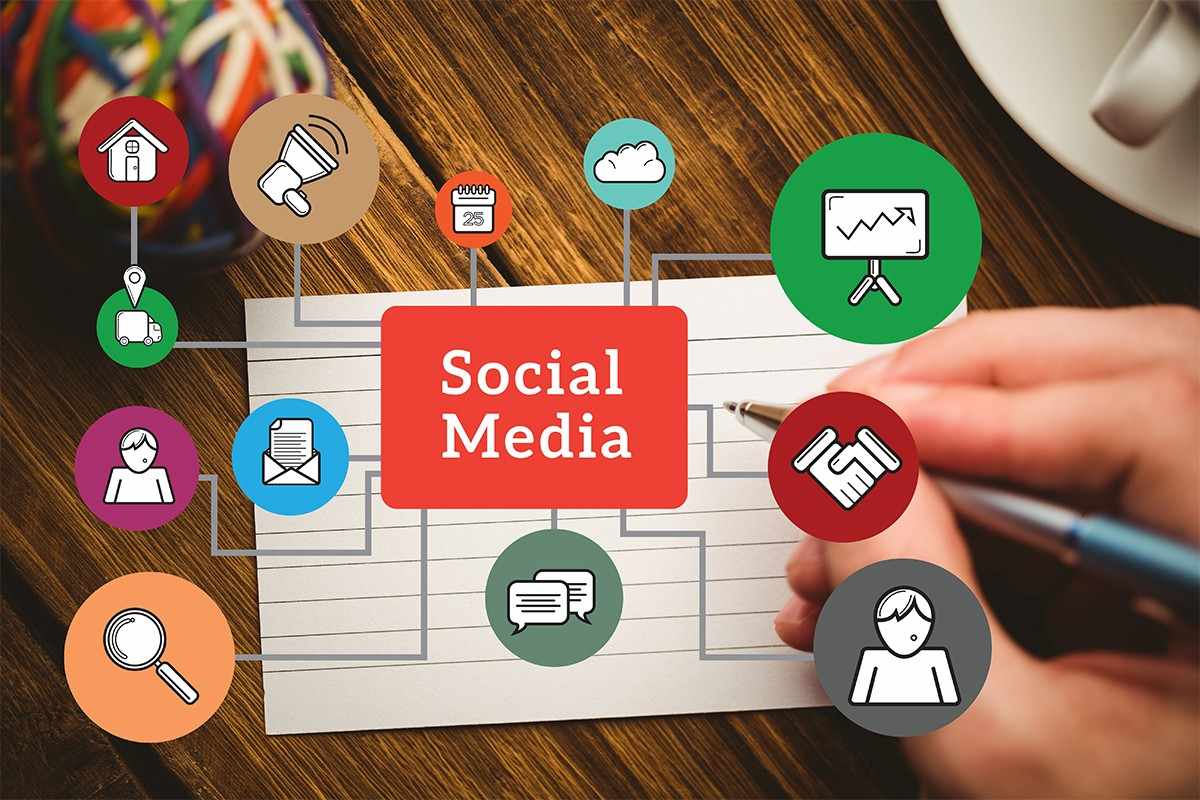
With so many platforms competing for attention, choosing the right social media platform for business can feel overwhelming. Facebook, Instagram, LinkedIn, YouTube, X (Twitter), and Pinterest all promise reach, but each one serves a very different audience and business goal. Picking the wrong one wastes budget and content effort; picking the right one turns social media into a genuine growth channel. This guide breaks down which platform fits which type of business, what each one is actually good for, and how to build a focused strategy instead of spreading yourself thin across everything at once.
Why You Should Not Try to Be Everywhere at Once
A common mistake small businesses make is opening accounts on every platform and posting the same content everywhere. According to HubSpot’s social media research, businesses that focus their effort on one or two platforms where their actual audience spends time consistently outperform those spread across five or six. Every platform has a different content format, posting frequency, and algorithm, so real depth on one channel beats a shallow presence on all of them.
Facebook: Best for Local Businesses and Community Building
Facebook remains the largest platform by user base and works especially well for local businesses, service providers, and any brand that benefits from reviews, local groups, and event promotion. Its strength is precise ad targeting by location, age, and interest, making it a strong fit for restaurants, retail stores, clinics, and home services that want to reach people nearby. Organic reach has declined over the years, so Facebook today works best when paired with a modest paid advertising budget.
Instagram: Best for Visual and Lifestyle Brands
Instagram is built for businesses with strong visual products or a lifestyle angle — fashion, food, fitness, travel, interior design, and beauty brands thrive here. Reels and Stories favor short, polished video content, and the platform skews toward a younger, highly engaged audience. If your business can show its product or process visually, Instagram usually delivers better engagement per follower than almost any other platform.
LinkedIn: Best for B2B and Professional Services
LinkedIn is the clear choice for B2B companies, consultants, recruiters, and professional service firms such as IT companies, agencies, and financial advisors. Content that performs well here includes case studies, industry insights, and thought-leadership posts rather than promotional content. Decision-makers actively use LinkedIn for research, which makes it one of the highest-intent platforms for lead generation in the business-to-business space.
YouTube: Best for Education, Tutorials, and Long-Term SEO Value
YouTube doubles as both a social platform and the world’s second-largest search engine, which makes it uniquely valuable for businesses that can teach something — software companies, home improvement contractors, coaches, and anyone selling a product that benefits from a demo. Unlike most social platforms, YouTube videos continue generating views and traffic years after publishing, giving it a much longer content lifespan than a typical post.
X (Twitter): Best for Real-Time Updates and Thought Leadership
X works best for businesses that need to share timely updates, engage in industry conversations, or build a personal brand around a founder or executive. Media companies, tech startups, and public-facing commentators tend to see the most value here. It requires frequent, consistent posting to stay visible, since the platform’s fast-moving feed buries older content quickly.
Pinterest: Best for E-Commerce and Inspiration-Driven Products
Pinterest functions more like a visual search engine than a traditional social network, making it a strong fit for e-commerce brands, home décor, weddings, recipes, and DIY products. Pins have a notably longer shelf life than posts on other platforms, often driving traffic for months or years after being published, which makes it a good complement to a content marketing and SEO strategy.
How to Choose the Right Platform for Your Business
Rather than guessing, work through these four questions:
- Where does your target customer already spend time? A B2B software company will find more value on LinkedIn than Instagram, while a boutique clothing brand will see the opposite.
- What content can you realistically produce? Video-heavy platforms like Instagram Reels and YouTube demand more production effort than text-based updates on LinkedIn or X.
- Is your goal brand awareness or direct leads? LinkedIn and Google-driven platforms like Pinterest and YouTube tend to convert better for leads, while Instagram and Facebook often work better for awareness and community.
- How much time or budget can you commit consistently? One platform posted to consistently for six months will outperform three platforms posted to sporadically.
Matching Business Type to Platform: A Quick Reference
- Local service business (salons, clinics, restaurants): Facebook + Instagram
- B2B / IT / consulting / professional services: LinkedIn
- E-commerce / fashion / home décor: Instagram + Pinterest
- Software / education / how-to based products: YouTube
- News, personal brand, industry commentary: X (Twitter)
Getting Started the Right Way
Once you have chosen a primary platform, success depends far more on consistency and quality than on which specific network you pick. A well-planned social media marketing strategy pairs the right platform with a content calendar, clear goals, and regular performance tracking. Many businesses in Amritsar and beyond choose to work with a digital marketing company in Amritsar like Duggal Infotech to manage this consistently, since sustained posting and engagement are what actually move the needle — not the platform choice alone. Pairing your social presence with strong content writing and a conversion-ready website ensures the traffic social media sends you actually turns into business.
Frequently Asked Questions
Which social media platform is best for a small business?
It depends on the audience and business type. Facebook and Instagram work well for local and visual businesses, LinkedIn is best for B2B and professional services, YouTube suits businesses that can teach or demonstrate something, and Pinterest fits e-commerce and inspiration-driven products.
Should my business be on every social media platform?
No. Businesses that focus consistently on one or two platforms where their target audience actually spends time typically get better results than those spreading thin, low-quality content across five or six platforms at once.
Is Instagram or Facebook better for business?
Instagram tends to perform better for visually driven brands like fashion, food, and lifestyle products, while Facebook is stronger for local businesses that rely on reviews, community groups, and precise local ad targeting.
Is LinkedIn worth it for small businesses?
Yes, especially for B2B companies, consultants, and professional service providers. LinkedIn users are often in a research or decision-making mindset, making it one of the highest-intent platforms for generating qualified business leads.
How do I know which social media platform my customers use?
Look at your existing customer demographics — age, profession, and interests — and match them against each platform’s known user base, or simply ask a sample of your customers directly which platforms they use most.
How often should a business post on social media?
Consistency matters more than frequency. Most businesses see solid results posting 3-5 times a week on their primary platform, though platforms like X benefit from more frequent posting due to their fast-moving feeds.
Can Pinterest actually drive business results?
Yes. Pinterest works like a visual search engine, and pins often continue driving website traffic for months or years after being published, making it especially effective for e-commerce, home décor, and lifestyle brands.
Is YouTube considered social media or search?
Both. YouTube functions as a social platform for engagement and community while also acting as the second-largest search engine, which gives video content a much longer lifespan than typical social posts.
What is the biggest mistake businesses make choosing a social media platform?
The most common mistake is choosing a platform based on personal preference or trends rather than where the target customer actually spends time, which leads to wasted content effort and poor engagement.
Should I hire an agency to manage my social media?
If you lack the time or in-house expertise to post consistently and track performance, working with a digital marketing agency can help maintain the consistency and strategy needed to see real results from social media.